Common Misunderstandings About Household Plumbing Systems
On this page:
- Plumbing Problems Only Matter When Water Damage Is Visible
- Slow Drains Are Just a Minor Annoyance
- Chemical Drain Cleaners Are a Safe Long-Term Solution
- Low Water Pressure Always Comes From the Water Supply
- Plumbing Systems Do Not Require Regular Maintenance
- A Small Leak Is Not Worth Immediate Attention
- Flushable Products Are Always Safe for Household Plumbing
- Plumbing Emergencies Usually Happen Without Warning
- Understanding Plumbing Leads to Better Property Protection
- Contact Our Team
Most homeowners rarely think about their plumbing system until something goes wrong. A dripping tap, a blocked drain or a sudden drop in water pressure often feels like an isolated inconvenience rather than a sign of a broader issue. Yet many plumbing problems begin developing long before they become obvious, and misunderstandings about how household plumbing systems work can lead to costly repairs and preventable damage.
The reality is that residential plumbing is a complex network of pipes, fixtures, drains and water supply components that all work together every day. When misconceptions guide maintenance decisions, small concerns can gradually develop into significant problems. Understanding the facts behind common plumbing myths helps homeowners make informed decisions, reduce the risk of unexpected breakdowns and maintain the long-term reliability of their property.
Plumbing Problems Only Matter When Water Damage Is Visible
One of the most common misconceptions is that a plumbing issue only becomes serious once water stains appear on walls, ceilings or floors. While visible damage certainly indicates a problem, many plumbing faults begin quietly and remain hidden for extended periods.
Small leaks can occur behind walls, beneath flooring or within pipe joints without producing immediate visual signs. During this time, water may slowly affect structural materials, insulation and surrounding surfaces.
Potential warning signs that often appear before visible damage include:
- Unexplained increases in water bills
- Damp or musty odours
- Mould growth in isolated areas
- Reduced water pressure
- Sounds of running water when fixtures are not in use
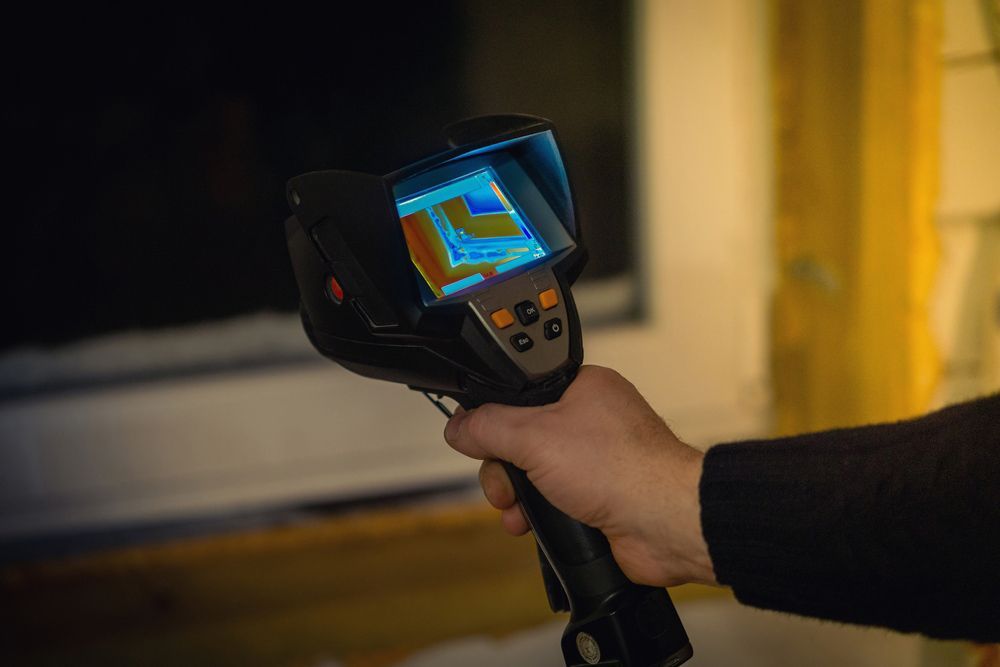
Professional leak detection services can help identify hidden issues before they escalate into larger repairs or property damage.
Slow Drains Are Just a Minor Annoyance
A drain that empties slowly is often dismissed as a harmless inconvenience. Many homeowners continue using sinks, showers or basins without investigating the cause, assuming the problem will eventually resolve itself.
In reality, slow drainage frequently signals the early stages of a blockage. Hair, grease, soap residue, food waste and foreign objects can gradually accumulate within pipes, restricting water flow over time.
Ignoring slow drains can contribute to:
- Complete blockages
- Unpleasant odours
- Wastewater backups
- Increased pressure within pipe systems
- Additional strain on connected fixtures
Drain cleaning and blockage removal services address the underlying cause rather than simply masking the symptoms, helping to restore proper flow throughout the system.
Chemical Drain Cleaners Are a Safe Long-Term Solution
When faced with a blocked drain, many people reach for a chemical cleaner as their first response. While these products may provide temporary relief in some situations, they are often misunderstood as a reliable long-term fix.
Many chemical cleaners rely on highly reactive ingredients designed to break down organic material. Repeated use can contribute to pipe deterioration, particularly in older plumbing systems. Additionally, if the blockage is caused by a solid obstruction or extensive build-up, the product may have little effect.
Risks associated with frequent chemical drain cleaner use include:
- Pipe corrosion
- Damage to pipe joints
- Reduced lifespan of plumbing infrastructure
- Recurring blockages
- Safety hazards during handling
Professional drain inspection and clearing methods focus on identifying the source of the blockage and removing it safely without unnecessary stress on the plumbing system.
Low Water Pressure Always Comes From the Water Supply
Low water pressure is another issue that is often misunderstood. Many homeowners immediately assume that the problem originates from the external water supply, but internal plumbing faults are frequently responsible.
Over time, mineral deposits, corrosion and debris can accumulate within pipes and fixtures. Leaks may also reduce pressure throughout parts of the system. In older properties, ageing infrastructure can further restrict water flow.
Possible internal causes of low water pressure include:
- Pipe blockages
- Hidden leaks
- Corroded pipework
- Faulty pressure regulators
- Build-up within taps and showerheads
A thorough plumbing assessment can help determine whether the issue stems from the supply network or from conditions within the property's own plumbing system.
Plumbing Systems Do Not Require Regular Maintenance
Many people view plumbing as a set-and-forget system. As long as water comes out of the tap and drains appear functional, maintenance is often overlooked entirely.
Like any essential household infrastructure, plumbing components experience wear over time. Pipes, valves, fixtures and drainage systems all benefit from periodic inspections and preventative care.
Routine maintenance can assist with:
- Early detection of leaks
- Identifying ageing components
- Monitoring water pressure performance
- Preventing drain blockages
- Extending the lifespan of plumbing infrastructure
Preventative plumbing services often help homeowners address minor concerns before they develop into urgent repair situations.
A Small Leak Is Not Worth Immediate Attention
A dripping tap or minor leak may seem insignificant, particularly when it does not interfere with daily activities. However, even small leaks can have wider consequences when left unresolved.
Constant water exposure can gradually damage surrounding materials, while ongoing water loss contributes to unnecessary utility costs. What begins as a worn washer or loose fitting may eventually develop into a larger failure.
Consequences of delaying leak repairs may include:
- Increased water consumption
- Damage to cabinetry and flooring
- Mould and mildew growth
- Pipe deterioration
- Escalating repair costs
Prompt plumbing repairs help minimise both water waste and the potential for secondary property damage.
Flushable Products Are Always Safe for Household Plumbing
The word "flushable" often creates the impression that certain products will break down in the same way as toilet paper. In practice, many items marketed as flushable do not disintegrate effectively once inside plumbing systems.
Products such as wipes, hygiene items and paper-based alternatives can remain intact as they travel through pipework. Over time, these materials may combine with grease and other debris, creating significant blockages.
Items that should generally be kept out of household drains include:
- Wet wipes
- Cotton buds
- Paper towels
- Hygiene products
- Cooking fats and oils
Blocked toilet and sewer services are frequently required because materials that appear harmless become trapped within drainage systems.
Plumbing Emergencies Usually Happen Without Warning
Although some plumbing emergencies occur suddenly, many develop from warning signs that have been present for weeks or months. Homeowners often overlook these indicators because they seem minor or unrelated.
Changes in water pressure, unusual noises, recurring blockages and unexplained moisture can all point to developing issues within the system. Recognising these signals early allows for intervention before a complete failure occurs.
Warning signs that should not be ignored include:
- Repeated drain blockages
- Gurgling sounds from pipes
- Persistent damp smells
- Unexpected water bill increases
- Water pooling around fixtures
Emergency plumbing services are important when urgent situations arise, but proactive attention to warning signs can often reduce the likelihood of major disruptions.
Understanding Plumbing Leads to Better Property Protection
Household plumbing systems are easy to take for granted because much of their operation remains hidden from view. However, many of the assumptions people make about plumbing can lead to delayed repairs, poor maintenance decisions and avoidable property damage.
Issues such as hidden leaks, slow drains, pressure changes and recurring blockages rarely resolve on their own. More often, they signal underlying conditions that benefit from professional assessment and timely attention. By understanding how plumbing systems function and recognising the early signs of trouble, homeowners can make informed choices that support the long-term condition of their property.
Contact Our Team
We at Nicholas Wilshire Plumbing understand the unique plumbing challenges that property owners face throughout the Toowoomba region, from seasonal weather fluctuations to ageing infrastructure and changing water demands. Our team provides reliable plumbing services in Toowoomba, including leak detection, blocked drain solutions, maintenance inspections, repairs and emergency assistance. If you have noticed signs of a developing plumbing issue or would like professional advice about your household plumbing system, contact us today to arrange a booking.